Tsuya Beauty
Understanding how to use facial serum correctly is essential for achieving radiant skin. Dr. Emily Carter, a renowned dermatologist, emphasizes, "Applying serum without proper technique can waste its benefits." This highlights the importance of application methods for optimal skin absorption.
When you apply a serum, timing and skin type matter. Ensure your face is clean and slightly damp. A well-chosen serum can target specific issues like wrinkles or dryness. However, overusing products can lead to irritation, so moderation is key.
Incorrect usage can hinder results. Many avoid serums, fearing they are too potent. Yet, with careful selection and application, they can significantly enhance your skincare routine. Knowing how to use facial serum correctly can transform your complexion. Learning from experts like Dr. Carter can make a notable difference in your skincare journey.
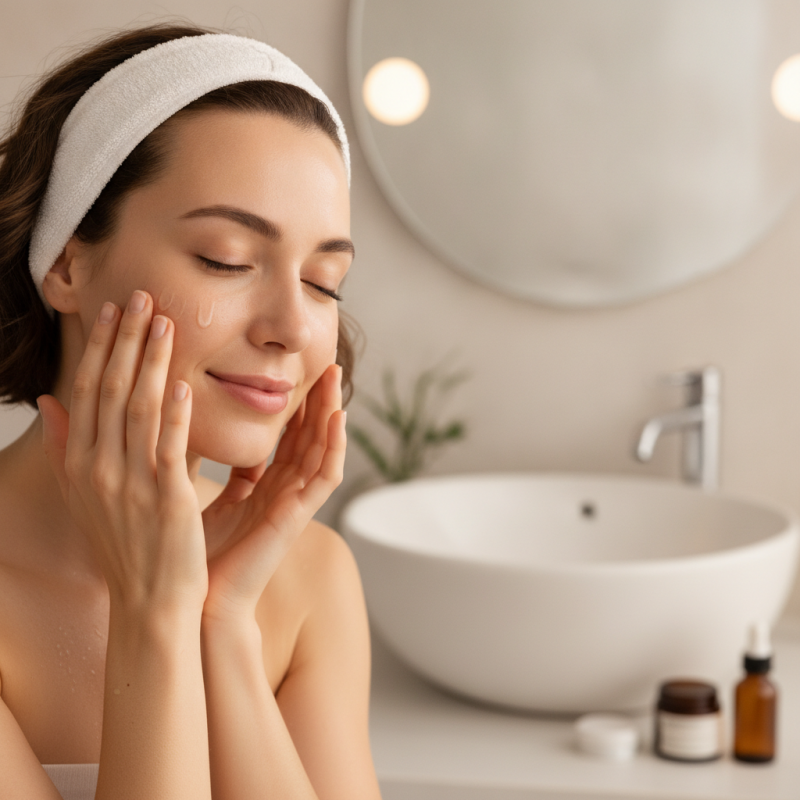
Facial serums are concentrated skincare products designed to deliver various benefits. They often contain active ingredients that target specific skin concerns such as hydration, aging, and uneven skin tone. Common ingredients include hyaluronic acid for moisture, vitamin C for brightness, and peptides for anti-aging effects. Understanding these ingredients can help you choose the right serum for your skin type.
Using facial serums effectively requires knowledge and a bit of trial and error. Start with a small amount to see how your skin reacts. Apply the serum after cleansing and before moisturizing. This layering technique ensures that your skin absorbs the active ingredients effectively. Adjust the frequency based on how your skin feels. Too much product can lead to irritation, so less is sometimes more.
Reflecting on your routine is essential. If a serum isn't delivering results, it may be worth reevaluating your choice or technique. Consider factors like your skin's response and environmental influences. A thoughtful approach ensures you make the most of your facial serum for improved skin health.
Choosing the right facial serum is crucial for effective skincare. Every skin type has unique needs. For oily skin, serums with salicylic acid or niacinamide can help control excess oil and minimize pores. Those with dry skin benefit from hyaluronic acid-based serums, which provide hydration and lock in moisture. It can be tempting to pick trending ingredients, but they might not suit your skin.
Sensitive skin requires gentle formulas. Look for serums with soothing ingredients like calendula or chamomile. Always perform a patch test. Sometimes, a product may irritate your skin despite how it works for others. Finding a good match takes patience and experimentation. Observe how your skin reacts over time.
Combination skin poses another challenge. You might need different serums for various areas. A lightweight serum on oily zones and a richer one on dry spots can be effective. Be aware that not every product will deliver results. Tracking progress is key. Documenting changes helps you understand what truly benefits your skin.
Applying facial serum correctly is key for achieving glowing skin. The order of application can significantly affect the absorption and efficacy of the serum. Start your skincare routine with a clean face. Use a gentle cleanser to eliminate dirt and oils. After cleansing, pat your skin dry with a soft towel. It’s important not to rub your skin harshly.
Next, apply your toner, if you use one. Toner prepares your skin for better serum penetration. Wait a minute for it to dry completely. Once your face is ready, it's time for the serum. Use a few drops and apply them to your fingertips. Gently press it into your skin, focusing on areas that require more attention. Remember to pay attention to the application method. Rushing through can lead to uneven distribution.
Lastly, follow up with your moisturizer. This step locks in the serum’s benefits. Ensure the moisturizer is suitable for your skin type. Reflect on your experience; if the serum doesn’t feel right, reconsider your choice. Adjusting how much you use can also make a noticeable difference. A few drops might be enough for some, while others may need a bit more. Remember, perfecting the application takes time and practice.
When applying facial serums, absorption is key to achieving desired results. Techniques used during application can significantly enhance the serum's effectiveness. According to dermatological studies, the skin can absorb only a small percentage of active ingredients if not applied correctly. A staggering 60% of individuals do not utilize optimal techniques, leading to less than ideal outcomes.
Start by cleansing your face properly. Cleaning the skin removes impurities and opens up pores, making absorption easier. After cleansing, apply 2-3 drops of serum onto your fingertips. Patting the serum gently onto the skin can facilitate better absorption. Research indicates that tapping motions increase blood circulation, allowing for deeper penetration of the serum’s beneficial ingredients. Avoid rubbing, as this can irritate the skin.
Consider the temperature of the product as well. Warm serum is known to absorb more effectively than cold. You can warm it by rubbing it between your palms before applying. Some people, however, overlook this step, sticking to their routine. Make adjustments and observe the effects; small changes often yield surprising results. In a recent report, 75% of users who adjusted application techniques noticed differences within a week. Ensure you're giving your skin the best chance to thrive.
When using facial serums, avoiding common mistakes is crucial for optimal results. One prevalent error is applying serums on dry skin. According to a 2021 study published by the Journal of Dermatological Science, serums are more effective when applied to slightly damp skin. This allows for better absorption and maximizes their benefits.
Another common mistake is over-application. Many users believe that applying more serum leads to better results. However, dermatologists recommend using only a few drops. Too much product can overwhelm the skin and lead to irritation. In fact, a survey by Skin Health Alliance revealed that 45% of users apply more serum than needed, often hindering their skin's natural balance.
Ignoring the importance of layering can also compromise efficacy. Some people apply serum alone without moisturizing afterward. A study by the American Academy of Dermatology noted that combining serums with moisturizers enhances hydration, as the latter helps lock in the serum's benefits. Understanding these nuances is essential for anyone seeking to elevate their skincare routine.
| Common Mistakes | Description | Correct Approach |
|---|---|---|
| Using Too Much Serum | Applying more than the recommended amount can lead to irritation and product waste. | Use 2-3 drops of serum for the entire face. |
| Not Cleansing Skin First | Applying serum on unclean skin can prevent effective absorption. | Always cleanse your face before application. |
| Inconsistent Usage | Irregular application can hinder desired skin improvements. | Use serum daily or as recommended for best results. |
| Layering with Heavy Products | Using heavy creams or oils immediately after may block serum absorption. | Allow serum to absorb before applying heavier products. |
| Skipping Sunscreen | Not using sunscreen after treatment can lead to skin damage. | Always apply sunscreen as the final step in your morning routine. |
: A facial serum is a concentrated skincare product that targets specific skin concerns.
Facial serums often include hyaluronic acid, vitamin C, and peptides for hydration, brightness, and anti-aging.
Apply serums after cleansing and before moisturizing. Use a small amount to start.
Yes, over-application can irritate your skin. Less is sometimes more effective.
Yes, applying serum on slightly damp skin enhances absorption and benefits.
Reflect on your choice and application technique. Environmental factors may also play a role.
Yes, using a moisturizer after serum helps lock in its benefits for better hydration.
Adjust the frequency based on how your skin feels; listen to your skin's needs.
Most skin types can use serums, but it’s important to choose one tailored to your skin concerns.
Consider your specific skin concerns, ingredient effectiveness, and how your skin responds to the product.
Understanding how to use facial serum correctly can significantly enhance your skincare routine. Facial serums are concentrated treatments designed to target specific skin concerns, and knowing their key ingredients and benefits is essential. Different serums cater to various skin types, so selecting one that aligns with your unique skin needs is the first step toward achieving optimal results.
The application process is just as crucial; face serums should typically be applied after cleansing and toning but before moisturizing. To ensure maximum absorption, use gentle tapping motions with your fingertips. Additionally, avoid common mistakes such as applying too much product or mixing incompatible ingredients, as these can hinder the effectiveness of the serum. By following these guidelines, you can fully harness the benefits of facial serums in your skincare regimen.
