Tsuya Beauty
Tsuya Beauty
Tsuya Beauty
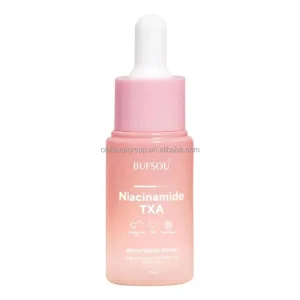
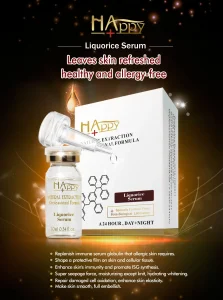
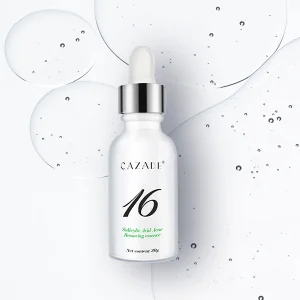
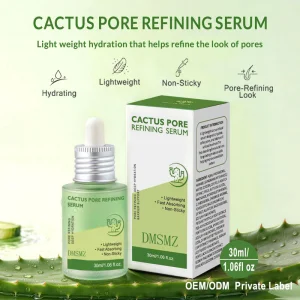
Explore our export-ready portfolio of advanced chemical engineering oil-control facial serums, engineered for diverse global skin archetypes.
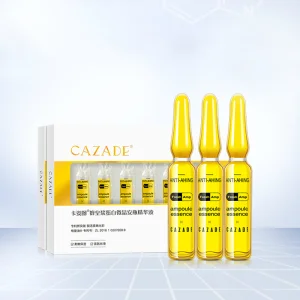
A comprehensive analysis of biological mechanism, formula design, factory capacities, and global compliance pathways.
In the contemporary global cosmetics market, hyperactive sebum production (seborrhea) represents a persistent dermal concern transcending demographic groups. The demand for sophisticated oil-control facial serums has shifted from simple, aggressive astringents that disrupt the skin barrier to biomimetic, multi-functional, and barrier-supportive solutions. International B2B buyers—ranging from clinical skin brands to high-volume retail distributors—must navigate a complex ecosystem of exporters. Partnering with a specialized exporter like Hangzhou Tsuya Beauty Co., Ltd. ensures access to advanced scientific formulations, high R&D standards, and scalable, GMP-compliant manufacturing infrastructures designed for strategic growth.
Excessive sebum production is triggered by multiple biological pathways, including androgenic stimulation, environmental humidity, and lipid barrier degradation. Standard astringents (such as high-concentration denatured alcohols) yield immediate matting but trigger a rebound effect: compensatory sebum overproduction due to transepidermal water loss (TEWL). Advanced oil control serums address this with a multi-targeted approach:
As a leading hub for skincare production, China's modern cosmetic manufacturing ecosystem has undergone a digital and technological transformation. By locating production within highly integrated cosmetic zones like Zhejiang, manufacturers utilize a world-class raw material supply chain, immediate access to packaging solutions, and automated processing equipment.
Hangzhou Tsuya Beauty Co., Ltd. leverages these regional infrastructure benefits to deliver advanced formula stabilization and production cost efficiencies. The integration of high-shear emulsifiers, aseptic filling lines, and real-time microbiological testing ensures that high-volume orders are processed with consistent precision, eliminating batch-to-batch variability.
Furthermore, China's vast industrial network facilitates rapid scale-up: transitioning a formulation from laboratory prototype to 10-ton commercial production runs takes less time than in Western facilities, allowing global brands to respond quickly to market trends.

Every batch of our oil-control serum undergoes analytical tests for heavy metal concentrations, active ingredient assays, and microbiological stability under varying thermal conditions.
Our formulations comply with FDA, EU Cosmetics Regulation (EC No 1223/2009), and China NMPA guidelines, facilitating seamless global market entry and customized registration documentation.
Modify textures, target viscosity, select specific plant extracts, and design packaging options suitable for clinical, retail, or online distribution networks.
Different regions face distinct challenges in sebum control, influenced by climate, genetics, and local lifestyle factors. To capture these markets, oil-control serums must be tailored for specific local consumer needs:
High relative humidity accelerates sebaceous gland activity, resulting in skin shine and clogged pores. In these regions, oil-control serums require ultra-lightweight, fast-absorbing hydro-gels or aqueous textures. Incorporating sebum-absorbing micro-powders (such as silica or cornstarch derivatives) provides a matte finish without heavy residues.
High temperatures combined with low humidity dry out the outer layers of the skin, triggering sebum overproduction to protect the barrier. Formulations for these markets must combine sebum-reducing actives like Zinc PCA with light humectants like Hyaluronic Acid to maintain optimal moisture levels and control oil.
Western consumers increasingly seek clean-label, hypoallergenic, and soothing oil-control solutions. To minimize risk of irritation, formulations should exclude harsh alcohols, synthetic fragrances, and high-concentration acids. Instead, using soothing botanical extracts like Cactus Extract, Honeysuckle, and Arginine balances oil while strengthening the skin barrier.
Importing cosmetic products at scale requires planning for logistics, regulatory compliance, and shelf-life stability. When sourcing oil-control serums from Chinese exporters, B2B buyers should evaluate several key technical factors:
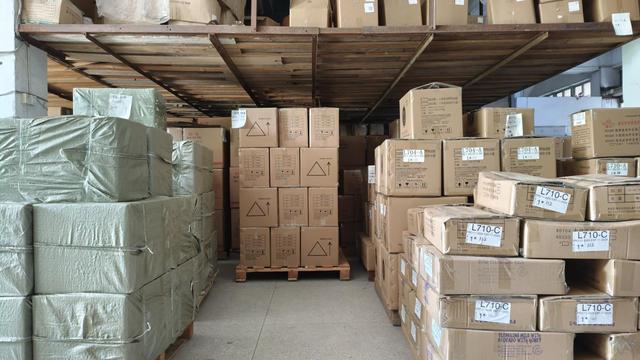
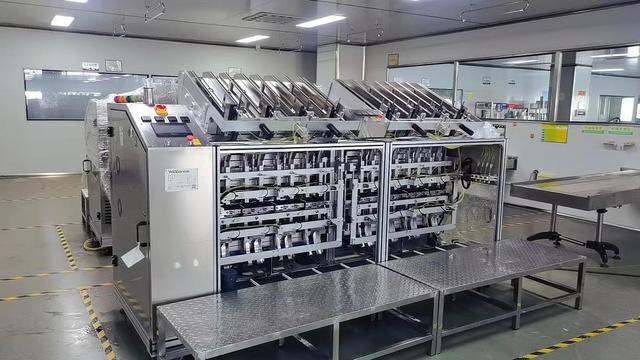
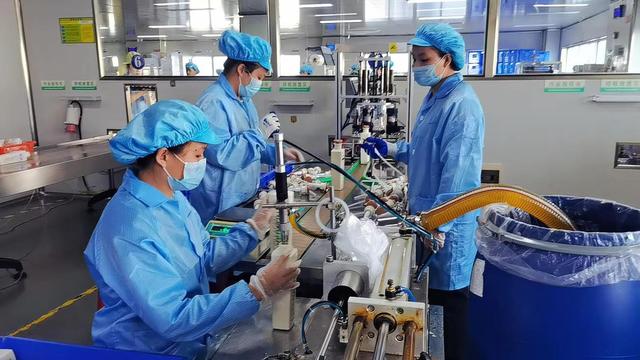
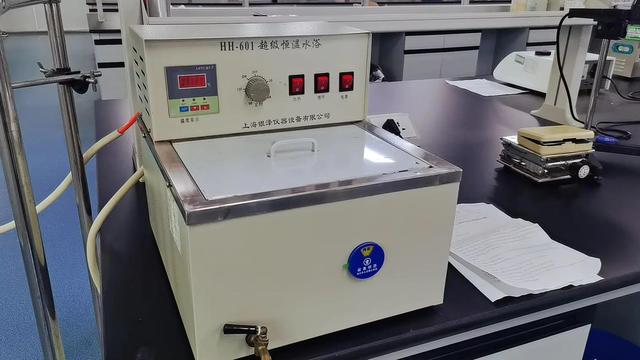
A look inside our ISO & GMPC-certified production plant, advanced testing laboratories, and automated packaging lines.
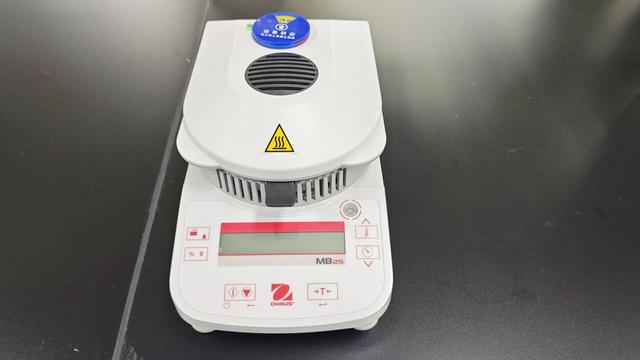
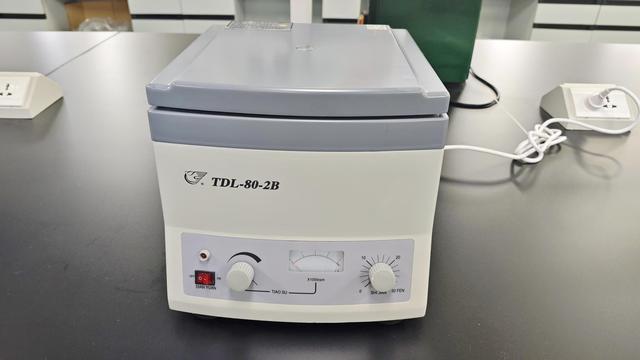


Technical answers to common formulation, sourcing, and regulatory questions from B2B buyers and brand developers.
Explore our targeted formulations, including private label options and specialty solutions for pore reduction, skin brightening, and scalp care.